
Medical Volunteering: Giving Back to Gain More
Volunteering builds character and plays a vital role in shaping future doctors. Pooja Chandran (Year 4, MBBS) shares how it has influenced her journey and continues to guide her towards becoming a compassionate, skilled doctor.
24 March 2026
For many students at NUMed, learning to care for others begins well before graduation. Beyond lectures, labs, and clinical placements, a vibrant culture of volunteering allows students to connect with their communities, apply their skills, and develop the empathy and resilience that define great healthcare professionals.
Pooja Chandran, a fourth-year MBBS student, finds that volunteering goes hand-in-hand with the heart of the medical profession: “I have always felt that the role of a doctor goes beyond treating illnesses. It is fundamentally about serving people and improving their wellbeing. Medical volunteering allows me to carry forward these values through meaningful action, using the knowledge and skills I am developing.”
She is no stranger to volunteering, having actively participated in numerous community initiatives from fundraisers, soup kitchens and blood drives to bone health booths and medical camps. To her, every volunteer experience holds a special place in her heart as she gets to meet people from all walks of life.
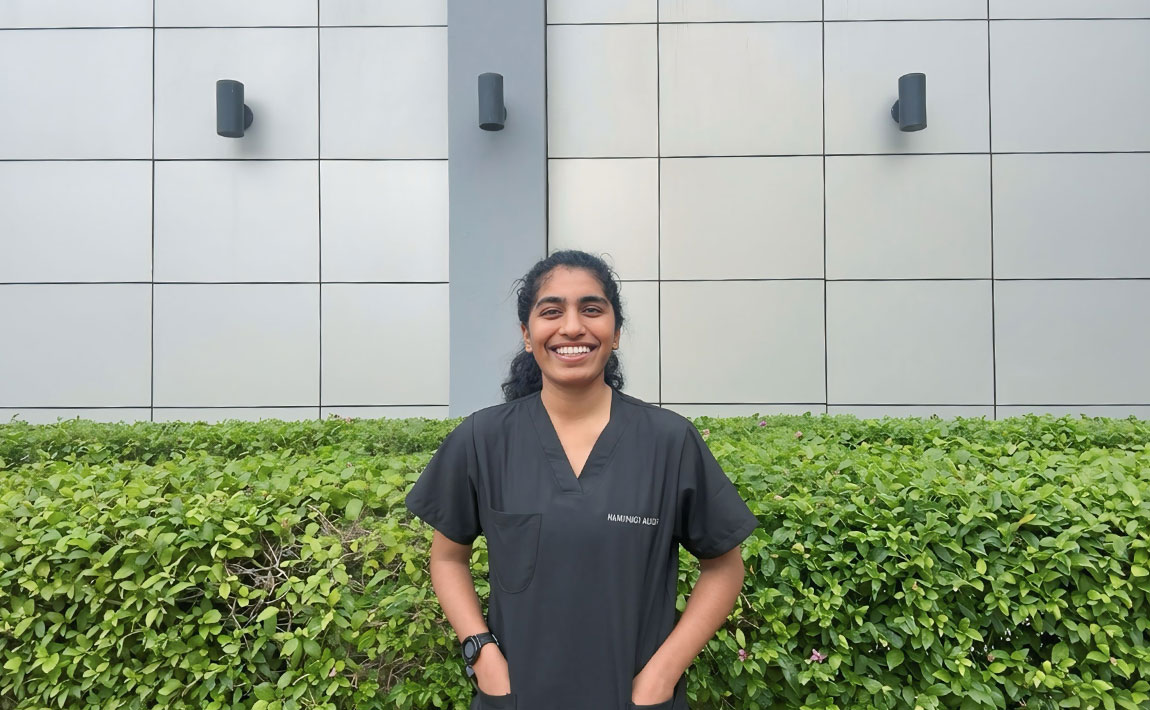
“These encounters constantly remind me that everyone carries their own struggles and silent battles. It reinforces the importance of kindness, as even small acts of compassion can make a meaningful difference in someone’s day.”
The benefits of volunteering extend beyond personal growth. Communities gain access to healthcare knowledge, assistance, and support, while students obtain a deeper understanding of the social determinants of health, cultural sensitivity, and teamwork in action as they apply what they learn in real-world settings.
For Pooja, volunteering is also a constant reminder of the purpose behind her studies and the kind of help she will be able to provide in the future.
“During difficult times in medical school, these experiences motivate me to persevere, as they remind me why the journey is meaningful and worthwhile,” she explained.
More importantly, by broadening their perspectives on the lives and circumstances of the people they serve, students are able to better appreciate the many factors that shape a person’s health and are encouraged to view patients’ problems through their lenses.
Healthcare extends far beyond the walls of hospitals and clinics, and the volunteering experiences gained become essential building blocks in shaping future medical professionals as they cultivate vital skills like empathy and patience.
“Interacting with different individuals has taught me that every patient carries a unique story, and understanding that story is just as important as making a diagnosis. Volunteering has strengthened my commitment to becoming a doctor who not only treats illnesses but also advocates for prevention, education, and community health,” Pooja elaborated.
But perhaps the most rewarding aspect of volunteering is the realisation that no matter how small your contributions may seem, you can still make a big impact in the lives of the people you serve, whether through providing direct assistance, practical support and encouragement, raising awareness, or inspiring others to contribute.
“Ultimately, I hope that through my efforts, I have been able to offer not just assistance, but also kindness and reassurance,” concluded Pooja.
You have definitely touched hearts and transformed many lives for the better, Pooja. Many thanks to you and all our volunteers for your tireless dedication and commitment to serving others.