Comment: Why Ghosts Wear Clothes or White Sheets
Writing for The Conversation, Dr Shane McCorristine discusses the history of ghosts and why many are seen wearing clothes or white sheets instead of appearing in the nude.
4 November 2024
鈥淲hen you think of a ghost, what comes to mind? A ghastly, mouldy winding-sheet? A malevolent pile of supernatural armour? Or a sinister gentleman in a stiff Victorian suit? The image of the ghost as a figure in a white winding-sheet or burial shroud has retained its iconic status for hundreds of years because it suggests a continuity between the corpse and the spirit.鈥�
In his article, Dr McCorristine examines how Victorian debates about why ghosts appear clothed reveal broader philosophical and cultural questions about the nature of ghosts and the material world.
McCorristine notes how the subject of ghost clothes reflects Victorian societal norms, including ideas about identity, class, and morality: 鈥渃lothes identify people and make them capable of representation 鈥� nakedness disrupts this means of instantly categorising someone.鈥�
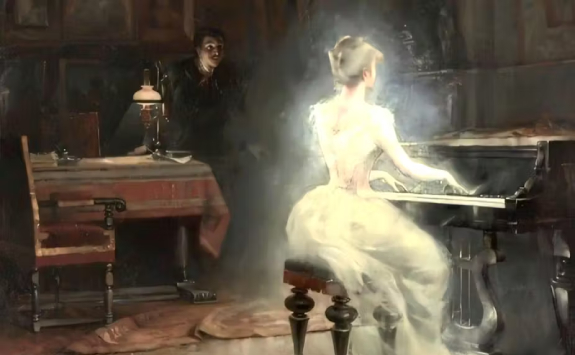
Image: Spirit by George Roux (1885).
鈥淭he issue of ghost clothes is interesting for historians of the supernatural because, like a loose thread, pulling at it starts to unravel some of the assumptions about matter in spiritualism.鈥�